

At the intersection of biology, optics, and visual art lies a unique concept emerging from Sri Lanka. EyeCraft is redefining how individuals perceive identity by transforming one of the body’s most intricate structures—the human iris—into a form of personalized artwork.
The iris is far more than a colored ring within the eye. It is a complex biological structure composed of fibrous tissues, pigmentation variations, and naturally occurring patterns that are entirely unique to each individual. In biometric science, the iris is considered one of the most accurate identifiers due to this uniqueness, often compared to fingerprints in its precision.
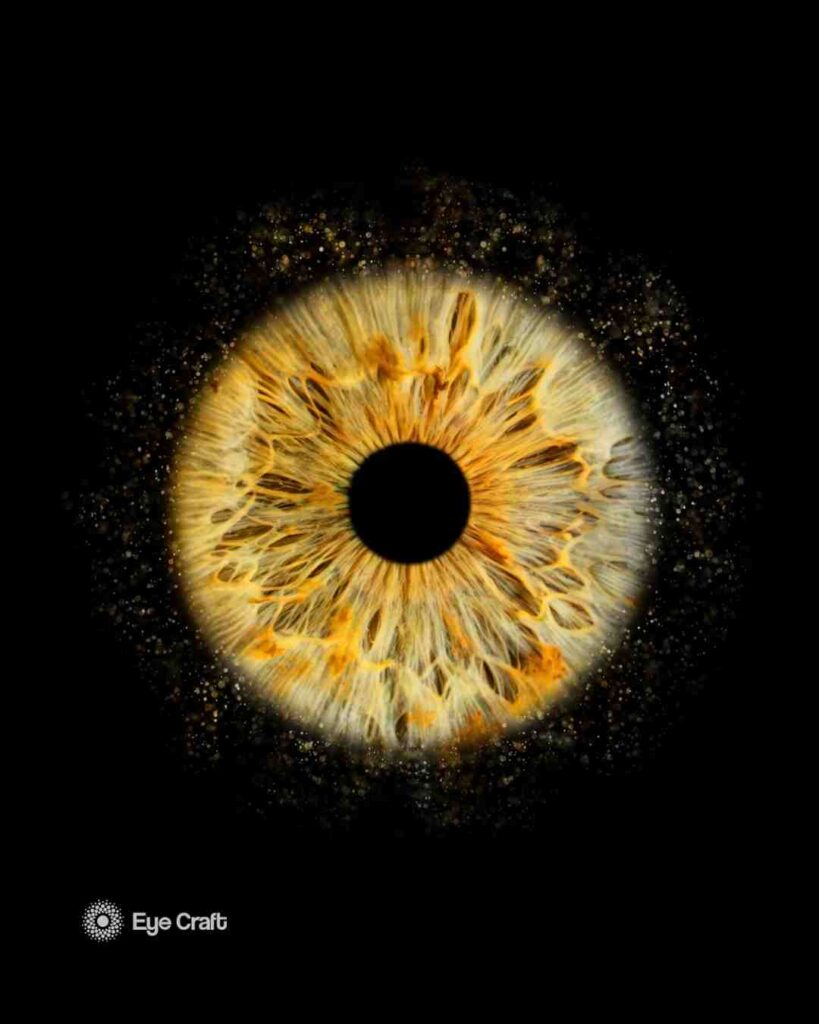


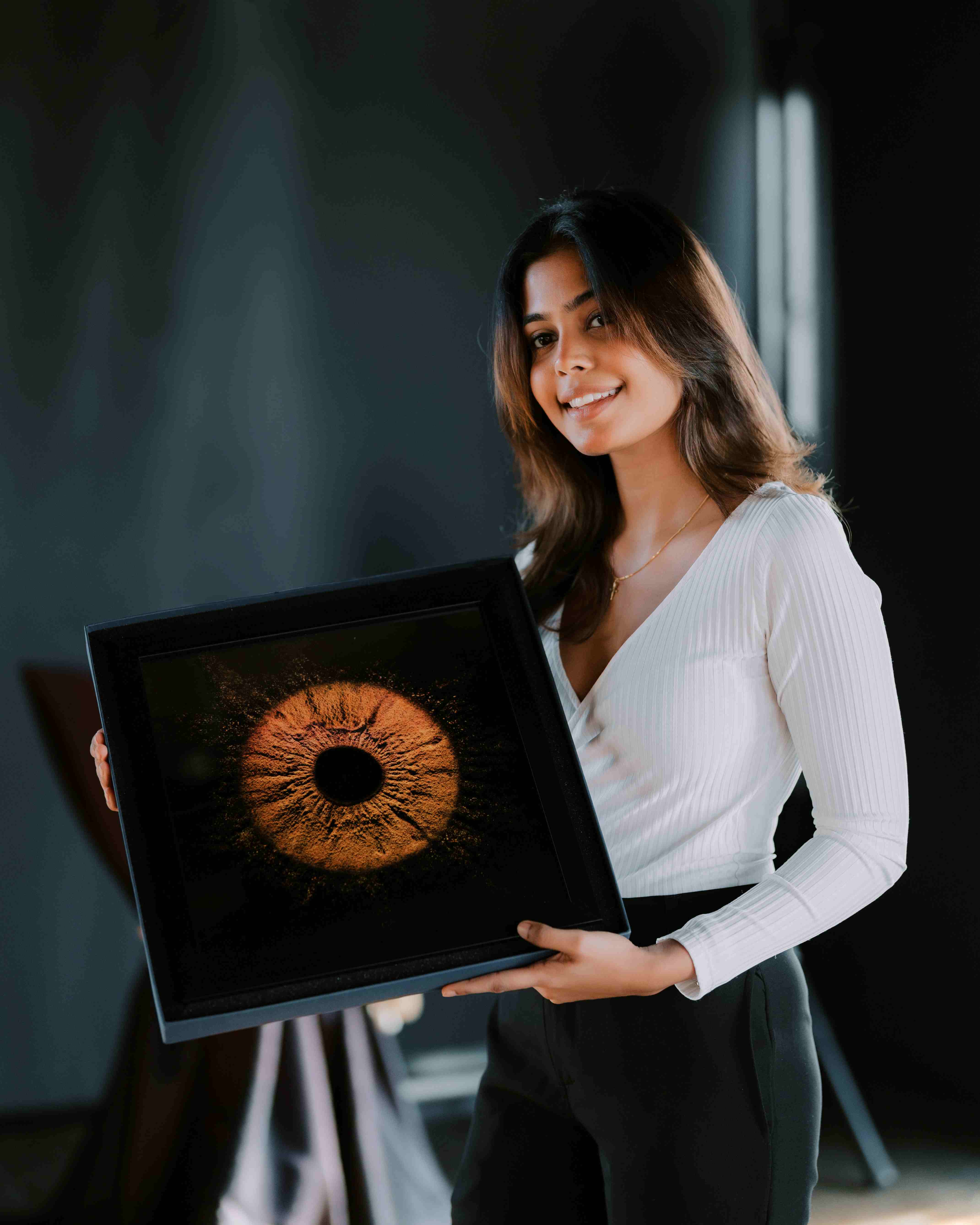
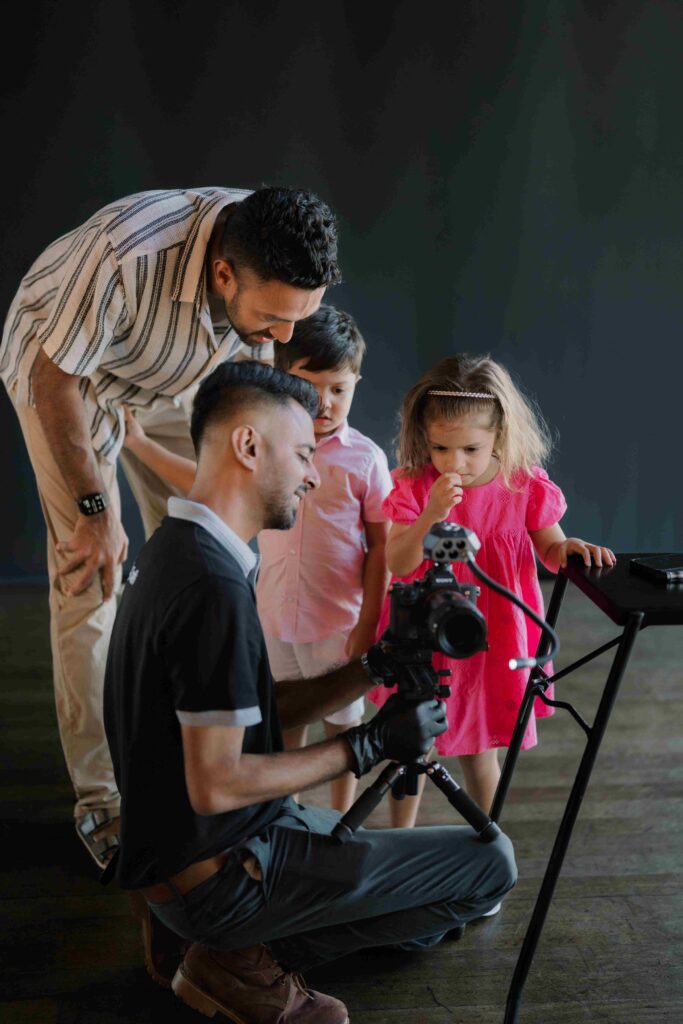
EyeCraft builds upon this scientific foundation using advanced macro photography and controlled lighting techniques. Through precise optical capture methods, details that are invisible to the naked eye are revealed—radial textures, layered formations, and subtle variations in color that exist within every iris. The process is both technical and meticulous, relying on carefully calibrated lighting and focus to ensure clarity without distortion.
What distinguishes EyeCraft is its commitment to authenticity. Every final image is derived entirely from the subject’s natural iris, preserving 100% of its real structure and color. Rather than altering or reconstructing the image, only minimal enhancements are applied to emphasize the inherent details and bring out an artistic expression. The result is a visual composition that remains scientifically truthful while offering a refined aesthetic interpretation.
Interestingly, the capture process itself is highly efficient, often completed within minutes. Yet, the transformation from raw image to final artwork involves careful refinement, with the finished piece delivered within a few days. This blend of speed and precision reflects a growing trend in modern imaging, where advanced tools allow for both rapid capture and high quality output.
Founded by Vishwa Nadheera, EyeCraft originates from a deeper pursuit of meaning through creation. Rather than producing conventional forms of art, the concept was driven by the idea of capturing something that can never be replicated. Each iris represents a unique natural design, shaped by biological processes and individual identity. For the founder, this creates not only a visual product, but a continuous exploration of human uniqueness and natural complexity.
The experience is further distinguished by its accessibility. EyeCraft operates through a mobile model, bringing the imaging process directly to individuals in their own spaces. This approach not only simplifies the experience but also reflects an adaptive use of technology outside traditional studio environments.
Looking ahead, EyeCraft is also expanding its applications by introducing wearable formats, such as iris based jewelry. This suggests a broader potential where biological identity can be integrated into everyday objects, blending personal meaning with design.
In a broader context, EyeCraft highlights how scientific tools—particularly in optics and imaging—can extend beyond research and documentation into areas of emotional and cultural value. It represents a subtle but significant shift where biology is not only studied, but also appreciated as a source of individuality and artistic inspiration.