by Hashan Navodya,
The global demand for margarine and fat-based spreads has been steadily rising, driven by increasing urbanization, changing dietary habits, and the growing popularity of plant-based alternatives. Consumers across both developed and developing markets are turning to spreads as a convenient and versatile ingredient for cooking, baking, and daily consumption. According to global market insights, the margarine and fat spread industry is projected to continue its growth due to increased health awareness and the demand for functional, allergen-free options. This shift in consumer preference has opened up opportunities for innovative products that combine taste, safety, and nutritional value such as allergen-free, plant-derived fat spreads tailored to modern dietary needs.
In today’s health-driven food culture, consumers are increasingly looking for products that are not only tasty and convenient but also safe and inclusive for those with dietary restrictions. The focus is shifting rapidly toward allergen-free functional foods, which are clean-label, plant-forward, and suitable for a wide range of people—including those with food allergies, lactose intolerance, and other sensitivities.
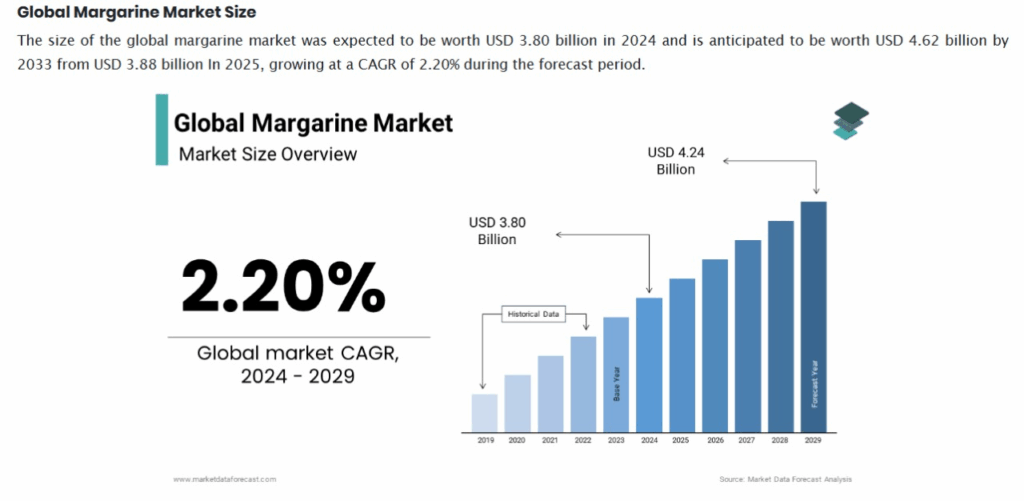
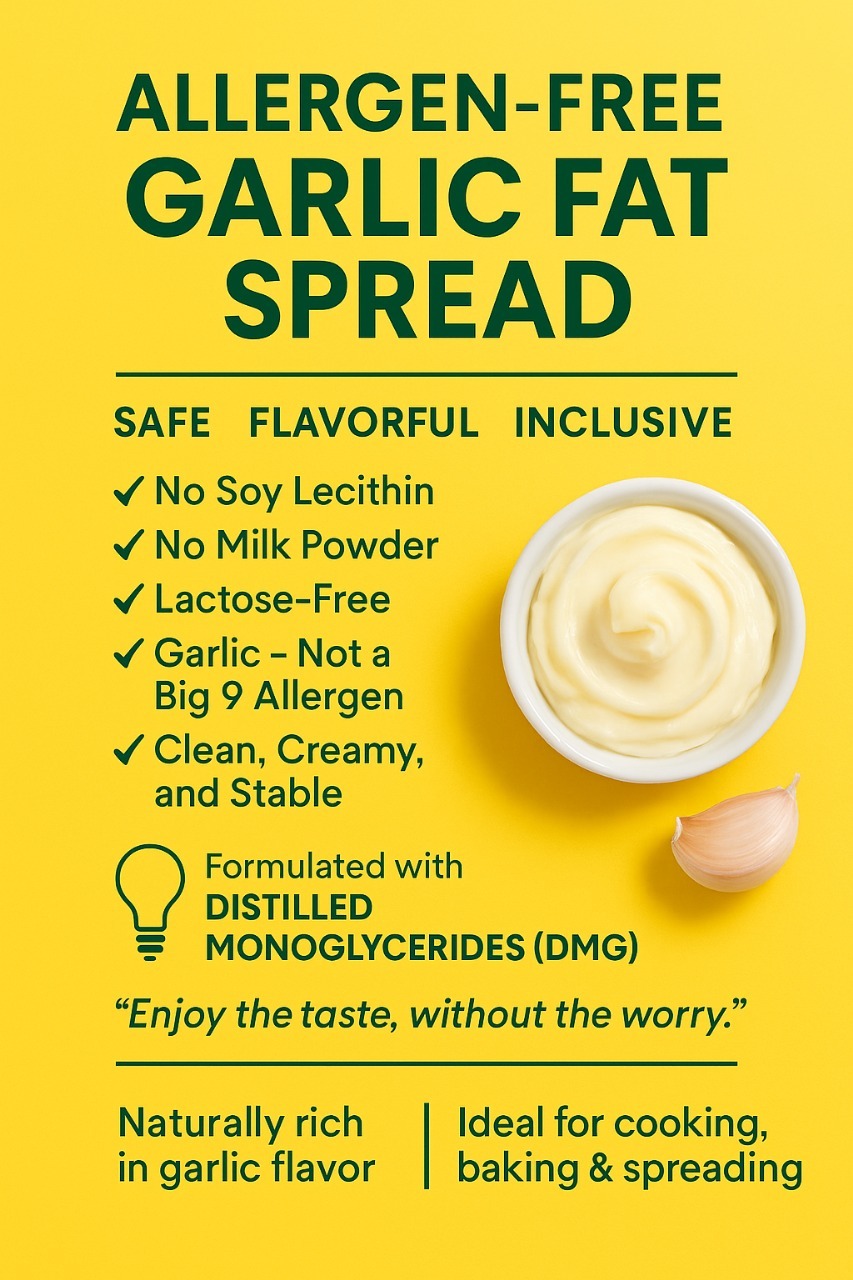
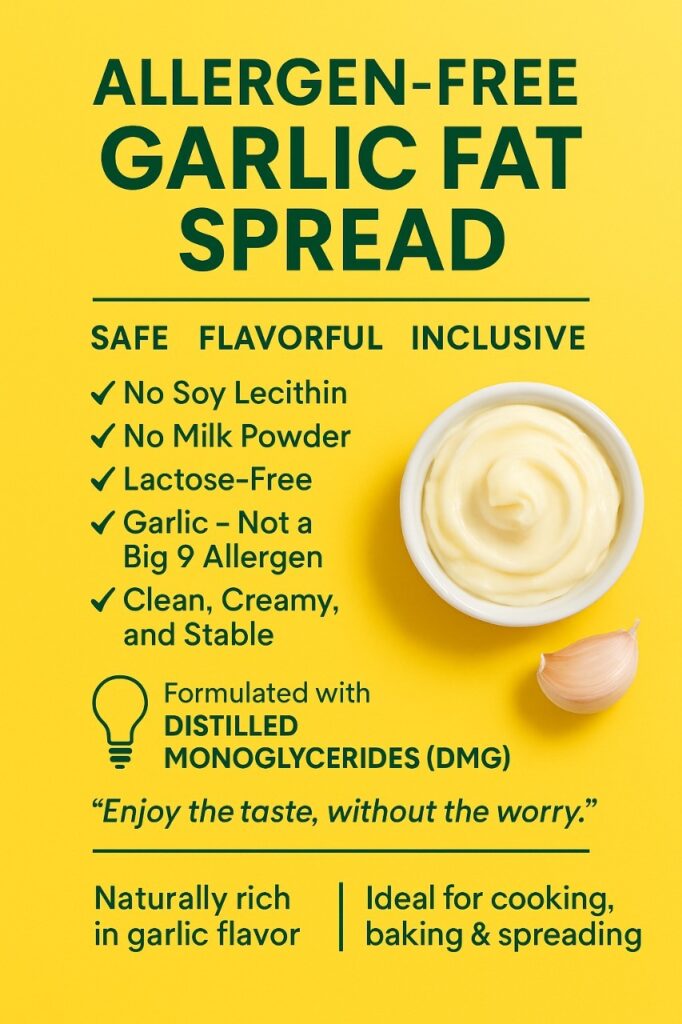
One such innovation making a meaningful impact in the spreadable fats category is the allergen-free garlic fat spread a product developed to combine culinary enjoyment with dietary safety. This spread was carefully formulated to exclude two widely used but problematic ingredients: soy lecithin and milk powder.
While soy lecithin is a common emulsifier, it has been linked to hormonal disruptions, digestive discomfort, and allergic reactions due to residual soy protein traces. Milk powder, on the other hand, introduces lactose, which can cause bloating, gas, and discomfort for those with lactose intolerance—a condition affecting a large portion of the global population, especially in Asia and Africa.
To address these issues, the product was reformulated using distilled monoglycerides (DMG) as a safe and effective emulsifier. DMG ensures stable emulsion, smooth spreadability, and a clean label, all while avoiding common allergens. Though sunflower lecithin is considered an allergen-free substitute for soy lecithin, its high cost makes it less suitable for large-scale or economically viable production. The use of DMG therefore strikes the right balance between functionality and affordability.
However, while removing milk powder solved one problem, it also created another: the original flavor and palatability were affected, as milk provides a creamy, slightly sweet base taste that many consumers enjoy. To resolve this, natural garlic flavor was added to the formulation. Garlic is a widely accepted and demanded flavor, especially in savory food products, and helped restore and enhance the overall taste of the spread, making it more appealing and enjoyable.
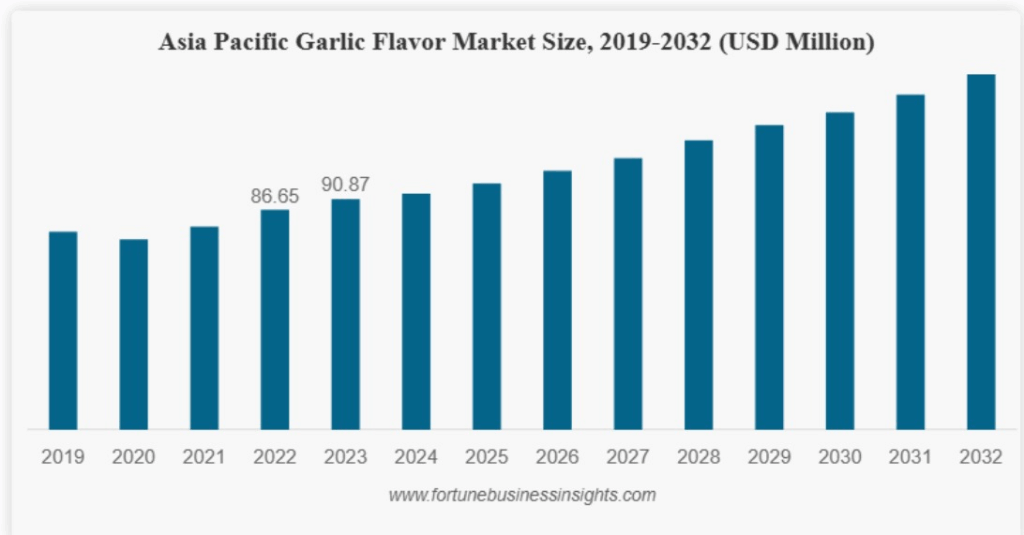
Importantly, garlic is not classified among the FDA’s Big 9 allergens—a list that includes milk, eggs, fish, crustacean shellfish, tree nuts, peanuts, wheat, soybeans, and sesame. Because garlic falls outside this category, it is not considered a food allergen, making it a safe, flavorful addition that increases consumer confidence. Moreover, garlic powder was selected in its natural form, both to retain the flavor authenticity and to align with consumer demand for clean-label ingredients.
The final product is a creamy, stable, and flavorful garlic fat spread that performs excellently in culinary applications such as baking, spreading, and sautéing. It offers not only sensory satisfaction but also functional advantages like high emulsion stability and no phase separation, even under ambient conditions.
As the global food industry continues to shift toward inclusive, health-conscious, and allergen-free alternatives, the development of the allergen-free garlic fat spread represents a progressive step forward. With the right support in terms of regulatory policies, value addition, and market access, this innovation holds the potential to place Sri Lanka—and similar coconut-producing nations—on the map as a hub for safe, innovative, and export-ready food products.
In conclusion, the allergen-free garlic fat spread is more than just a response to dietary needs—it is a symbol of how smart formulation and ingredient selection can create a product that is safe, delicious, and suitable for modern consumer demands.