
By Gothami Bandara.
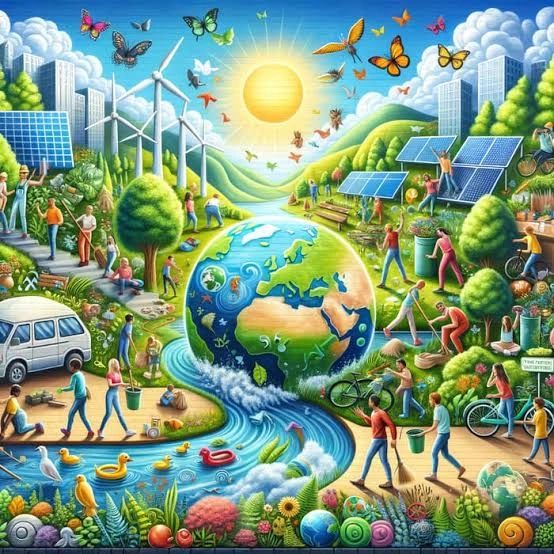
In an era marked by rapid urbanization and industrial growth, environmental cleanliness has emerged as a critical concern worldwide. The accumulation of waste, pollution of natural resources, and degradation of ecosystems increasingly threaten biodiversity and also pose significant health risks to human populations. Addressing these challenges requires concerted efforts and straightforward decisions at both the global and national levels.
Internationally, the urgency to tackle environmental degradation has led to numerous initiatives aimed at promoting sustainability and cleanliness. For instance, the United Nations is set to host the third U.N. Ocean Conference in Nice, France, in June 2025, focusing on combating rising ocean temperatures, plastic pollution, and the overexploitation of marine resources. Such global gatherings underscore the collective responsibility nations share in preserving the environment.
Moreover, organizations like the CSIR-National Environmental Engineering Research Institute (CSIR-NEERI) are spearheading efforts to foster environmental sustainability across the Global South. By launching networks that promote eco-sustainability in regions including Asia, Africa, and Latin America, these entities aim to collaboratively address regional environmental challenges.
Sri Lanka, renowned for its rich biodiversity and natural beauty, faces its own set of environmental challenges. Waste management remains a pressing issue, with studies indicating that only 24% of households had access to waste management services as of 2005, and the percentage is even smaller in rural areas. The tragic Meethotamulla landslide in 2017, caused by the collapse of a massive garbage dump, highlighted the dire consequences of inadequate waste disposal practices.
In response to these challenges, the Sri Lankan government has launched the “Clean Sri Lanka” initiative, aiming to transform the nation into a symbol of cleanliness. This program focuses on preserving natural beauty, maintaining cleanliness in public spaces, and fostering a culture that respects the environment.
Additionally, grassroots organizations like The Pearl Protectors are playing a pivotal role in marine conservation. Established in 2018, this youth-led NGO engages in activities such as beach cleanups, public awareness campaigns, and advocacy against single-use plastics, contributing significantly to environmental cleanliness efforts.
Achieving environmental cleanliness requires a multifaceted approach involving policy reforms, community engagement, and international cooperation. Sri Lanka’s commitment to initiatives like “Clean Sri Lanka” and the active participation of civil society organizations demonstrate a promising trajectory towards a cleaner and more sustainable future.
However, sustained efforts are essential. This includes investing in waste management infrastructure, enforcing environmental regulations, and promoting public awareness about the importance of cleanliness. By aligning national strategies with global best practices, Sri Lanka can not only address its environmental challenges but also serve as a model for other nations striving for environmental cleanliness.
In conclusion, environmental cleanliness is not merely an aesthetic concern but a fundamental aspect of public health and ecological balance. Through concerted efforts at all levels of society, both globally and within Sri Lanka, it is possible to foster environments that are clean, healthy, and sustainable for generations to come.

Images – From Internet